
Door Handle Mechanic

Door Handle Mechanic
Add a review FollowOverview
-
Founded Date June 7, 1996
-
Sectors Charity & Voluntary
-
Posted Jobs 0
-
Viewed 4
Company Description
10 Wrong Answers To Common Door Handle Repairs Questions: Do You Know The Right Answers?
Door Handle Repairs: A Comprehensive Guide
Door handles are among the most often used hardware in any building. Whether in homes, workplaces, or commercial facilities, every entry and exit point is equipped with a door handle. Nevertheless, like any other mechanism, they can use out with time or become harmed due to different factors. Hence, knowing how to repair door handles is essential for preserving security, personal privacy, and looks. This guide will delve deep into door handle repairs, supplying useful insights on common issues, tools needed, and detailed repair procedures.
Common Issues with Door Handles
Before starting a repair, it’s important to understand the common problems connected with door handles. These consist of:
-
Loose Handles – Over time, screws may loosen, causing handles to wobble or be unstable.
-
Stuck Handles – Dirt, grime, or misalignment can trigger handles to stick.
-
Broken or Damaged Mechanisms – Internal components of the handle may break or become ineffective, requiring replacement.
-
Rust or Corrosion – Especially prevalent in external door handles, rust can impact functionality and look.
-
Locked Handles – A handle that will not turn due to a jammed lock can be a source of disappointment.
Comprehending these common issues can help in determining the appropriate repair strategy.
Tools Required for Door Handle Repairs
Before beginning the repair procedure, it’s essential to collect the essential tools. Here’s a list of what you may require:
- Screwdriver (Flathead and Phillips)
- Allen Wrench (for particular handle types)
- Lubricant (such as WD-40 or graphite)
- Replacement Parts (if required)
- Cleaning Rags
- Pliers (for gripping and turning persistent parts)
- Level (to guarantee proper alignment)
Having the right tools handy can enhance the repair procedure.
Step-by-Step Repair Process
1. Tightening Loose Handles
Tools Needed: Screwdriver
- Inspect the screws: Most handles are kept in place by screws that can become loose gradually.
- Find the screws on the handle or the base plate. Utilize the proper screwdriver to tighten them.
- Guarantee the handle runs smoothly after tightening. If it’s still loose, you may want to replace the screws or inserts.
2. Addressing Stuck Handles
Tools Needed: Lubricant, Cleaning Rag
- Recognize the source: Confirm that the handle isn’t stuck due to dirt accumulation or misalignment.
- Clean the handle: Use a moist cleansing rag to wipe away any dirt or grime.
- Apply lubricant: Spray or apply lubricant to the handle’s working parts. Rotate it numerous times to distribute uniformly.
- If misalignment is a concern, you might need to adjust the screws or the position of the handle.
3. Replacing Broken Mechanisms
Tools Needed: Screwdriver, Replacement Parts
- Get rid of the handle: Unscrew the handle carefully to access internal elements.
- Check the mechanism: Determine what part is broken or missing.
- Replace the broken part: Insert a compatible replacement mechanism. Ensure it’s lined up and protected.
- Test the handle by reattaching it and inspecting its functionality.
4. Attending To Rust or Corrosion
Tools Needed: Cleaning Rag, Lubricant, Optional Sandpaper
- Remove rust: Use fine-grit sandpaper to gently sand away the rust from surface areas, being careful not to harm the finish.
- Tidy the area: Wipe the area clean with a rag to eliminate particles and dust.
- Apply lubricant or a protective coat: This assists defend against future rusting.
5. Fixing Locked Handles
Tools Needed: Lubricant, Pliers
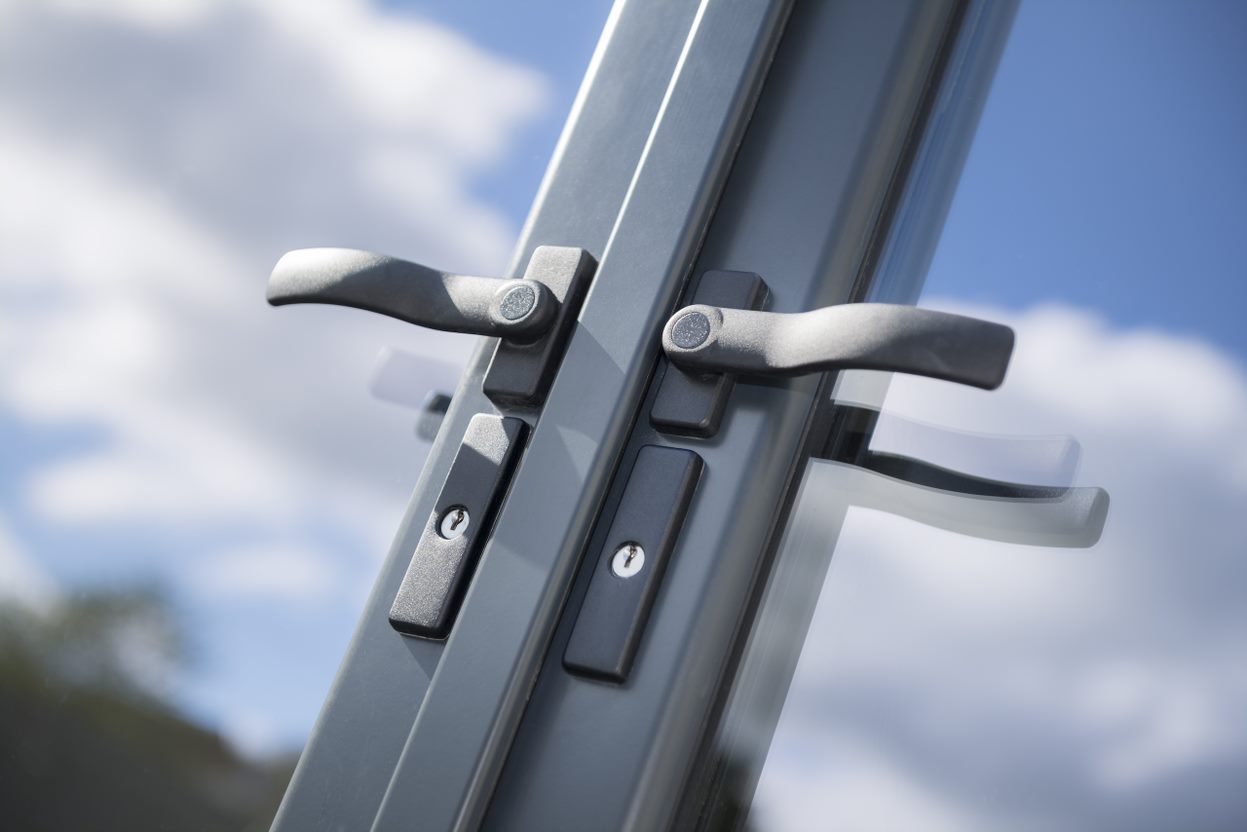
- Recognize the concern: If the handle won’t turn, this most likely suggests a jammed lock.
- Oil the lock: Spray lubricant into the keyhole and work the handle back and forth gently.
- Use pliers if needed: If the handle is stuck due to extreme force, gently maneuver it with pliers, ensuring you do not use too much pressure.
Preventive Measures
To prevent future issues, house owners and property managers should consider routine maintenance for door handles. Here are a few preventive tips:
- Regular Cleaning: Maintain cleanliness by regularly wiping down door handles to prevent dirt accumulation.
- Lubrication: Periodically use lube to moving parts to guarantee smooth operation.
- Tightening Screws: Check and tighten up screws at regular intervals to avoid loosening.
- Evaluation: Regularly check door handles for indications of wear or damage to deal with issues before they escalate.
Regularly Asked Questions (FAQs)
Q1: Can I repair a door handle technicians handle myself, or must I call a professional?A1: Many door handle repairs
can be carried out by a DIY lover with standard tools. Nevertheless, if the handle or locking mechanism is seriously harmed, it may be best to speak with a professional. Q2: What kinds of door handles are
simplest to repair?A2: Simpler styles, such as lever handles or knobs with few parts, are generally easier to repair compared to complex handles with integrated locking mechanisms. Q3: How often ought to I perform maintenance on my door handles?A3: It is recommendedto check and keep door handles every six months. This includes cleansing, lubrication, and making sure screws are tight. Q4: How can I inform if I require to change a door handle?A4: If the handle is badly damaged, shows significant rust or deterioration, or
if internal systems can not be repaired, it may be time to think about replacement. Q5: Is it worth upgrading to a higher-quality door handle?A5: Yes, purchasing a higher-quality mobile door handle repair Handle repair contractor (https://www.starsandstripesfc.com/users/nutym54) handle can boost sturdiness, security, and visual appeal while lowering
future repair needs. door handle experts handle repairs may seem challenging, but with the right
tools and understanding, a lot of issues can be tackled with ease. Routine maintenance not only extends the life of your door handles however also adds to a protected
and aesthetically pleasing environment. By comprehending various repair techniques and preventive measures, homeowners and residential or commercial property managers can guarantee their doors function efficiently, enabling for smooth entry and exit without hassle.