
French Door Hinges

French Door Hinges
Add a review FollowOverview
-
Founded Date February 2, 1948
-
Sectors Banking
-
Posted Jobs 0
-
Viewed 12
Company Description
The 10 Most Terrifying Things About French Door Repair Tips
French Door Repair Tips: A Comprehensive Guide
French Door Repair Tips doors are a sensational addition to any home, providing an open, airy feel while connecting indoor and outside spaces. However, like any door, they can experience wear and tear with time. Dealing with issues immediately not only prolongs their lifespan but likewise keeps the appeal and functionality of your area. This post will provide an in-depth guide to French Door Repair Specialists door repairs, including tips, common issues, and often asked concerns.
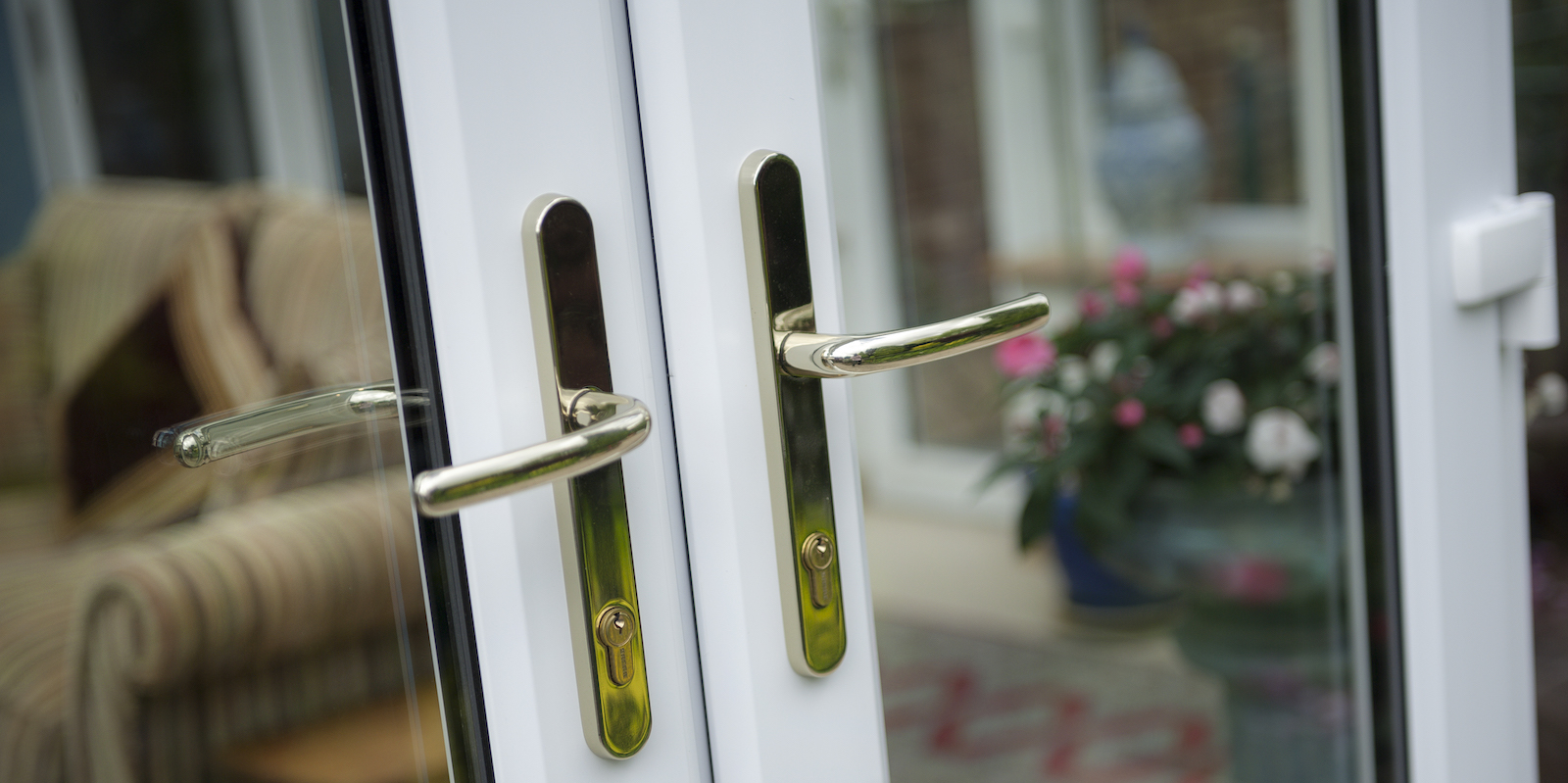
Common Issues with French Doors
Before diving into repair tips, it’s vital to acknowledge the common issues that may develop with French Door Adjustment doors:
| Common Issue | Description |
|---|---|
| Misalignment | Doors that do not line up properly, triggering gaps. |
| Sticking or Jamming | Doors that are tough to open or close. |
| Weatherstripping Damage | Damaged seals that permit drafts or wetness inside. |
| Glass Pane Damage | Split or broken glass panes require immediate attention. |
| Hardware Failures | Malfunctioning hinges, locks, or handles can impair performance. |
Understanding these prospective problems is the first action towards an effective repair.
Important Tools for French Door Repair
Before starting any repair, you’ll require some basic tools. Below is a list of essential tools you may need:
| Tool | Use |
|---|---|
| Screwdriver | To tighten or replace screws. |
| Hammer | For changing misaligned doors. |
| Level | To examine alignment. |
| Pliers | For manipulating small pieces. |
| Putty Knife | To scrape out old weatherstripping. |
| Caulk Gun | For sealing spaces with caulk. |
| Replacement Hardware | For parts such as hinges and locks. |
Having the right tools on hand can speed up the repair procedure and make it less aggravating.
Step-by-Step Repair Tips
1. Aligning Misaligned Doors
Action 1: Inspect the hinges. Try to find any loose screws and tighten them. Utilize a screwdriver for this job.
Action 2: If the door remains misaligned, check if the hinges are bent. You may need to replace them with brand-new hardware.
Action 3: Use a level to guarantee the door is directly. If the door is irregular, shim the hinges to adjust the height.
2. Fixing Sticking or Jamming Doors
Action 1: Identify the sticking point. Open and close the door while keeping in mind where it gets stuck.
Step 2: Use a putty knife to eliminate any old paint or debris from the location where the door is sticking.
Step 3: Sand down the sticky area lightly with fine-grit sandpaper.
Step 4: If the problem persists, consider adjusting the hinges or tightening up screws.
3. Replacing Weatherstripping
Action 1: Remove the old weatherstripping using a putty knife.
Step 2: Clean the surface area completely to make sure new weatherstripping adheres well.
Action 3: Measure and cut the brand-new weatherstripping to fit your door size.
Step 4: Press the brand-new strip securely into place, making certain it forms an excellent seal.
4. Fixing Glass Panes
Step 1: For small cracks, you can utilize glass adhesive. Follow the producer’s guidelines for application.
Action 2: For larger fractures or broken panes, remove the damaged glass. Use security goggles and gloves for security.
Step 3: Measure the glass opening to order a replacement pane.
Step 4: Insert the brand-new glass into the frame, protecting it with glazing points and putty.
5. Fixing Hardware Failures
Action 1: Identify the malfunctioning hardware (hinges, locks, or handles).
Action 2: Use a screwdriver to eliminate any broken parts.
Action 3: Replace with new hardware that matches your existing setup.
Step 4: Ensure all screws are tight and evaluate the door function.
Preventative Maintenance Tips
To avoid frequent repairs, consider these preventative maintenance tips:
- Regular Inspections: Check the doors and hardware every couple of months for wear and tear.
- Cleaning: Keep the door tracks tidy to avoid sticking.
- Lubrication: Apply silicone spray to hinges and locks frequently.
- Weatherproofing: Consider reapplying weatherstripping every year to keep drafts at bay.
Regularly Asked Questions
1. How typically should I examine my French doors for maintenance?
It’s a good idea to check your French doors a minimum of every 6 months for any signs of wear, including alignment issues, damage to weatherstripping, or hardware issues.
2. Can I replace a glass pane myself?
Yes, changing a glass pane is a DIY task, however it requires care. Always use safety gear and guarantee you determine correctly for the replacement.
3. What kind of lubricant should I use on my French doors?
Silicone-based sprays are best for lubing hinges and locks since they offer long-lasting benefits without attracting dust.
4. Is it worth working with a professional for French door repairs?
If you feel uncomfortable doing repairs or the damage is substantial, working with a professional is frequently the finest choice to avoid further complications.
5. How can I enhance the security of my French doors?
Consider installing a multi-point locking system, adding security film to your glass panes, or utilizing a security door sensor for enhanced security.
French doors use beauty and light to any home, however keeping them in excellent repair is necessary for their appeal and functionality. By following these repair tips and integrating preventative maintenance methods, homeowners can ensure their French Door Repair Services In doors remain a spectacular and practical function for several years to come. Whether managing minor repairs yourself or understanding when to call in an expert, a little attention can go a long way in keeping these stunning doors.