
Lock Repair Cost

Lock Repair Cost
Add a review FollowOverview
-
Founded Date July 18, 2013
-
Sectors Accountancy
-
Posted Jobs 0
-
Viewed 2
Company Description
You’ll Never Be Able To Figure Out This Lock Troubleshooting’s Tricks
Lock Troubleshooting: Your Comprehensive Guide
Locks are an integral part of our everyday lives, providing security and comfort. However, they can sometimes malfunction, leaving you locked out or not able to secure your personal belongings. Comprehending typical lock issues and how to fix them can save you time, cash, and frustration. This post checks out the most prevalent lock problems, their causes, and effective services.
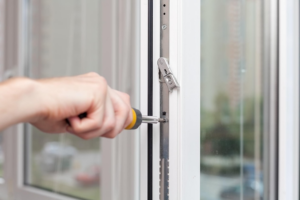
Typical Lock Problems
In the table listed below, we describe a few of the most typical lock problems and their potential causes:
| Lock Problem | Description | Possible Causes |
|---|---|---|
| Secret Won’t Turn | The key can not be kipped down the lock | Dirt, debris, or rust in the lock mechanism |
| Key Gets Stuck | Key ends up being lodged in the window lock diagnosis | Damage to the secret or lock, misalignment |
| Lock is Jammed | Lock mechanism does not engage effectively | Rust, internal damage, or foreign items |
| Deadbolt Won’t Extend or Retract | Deadbolt stops working to move in or out | Misalignment, broken spring, or dirt buildup |
| Electronic Lock Malfunction | Digital lock does not respond | Low battery, misconfigured settings, or software application problem |
| Cylinder is Loose | Lock cylinder moves individually of the lock | Loose screws, wear and tear |
Secret Won’t Turn
Causes:
- Dirt and Debris: Over time, dirt and particles can build up in the keyway, avoiding the secret from turning efficiently.
- Rust: A rusty lock can trigger the internal elements to seize, making it difficult to turn the key.
Solutions:
- Cleaning: Use a can of compressed air to blow out dust or particles.
- Lubrication: Apply a lock lube to help the internal parts move smoothly. Avoid utilizing oil-based products as they can attract dirt.
Secret Gets Stuck
Causes:
- Damaged Key: A worn or bent key can get caught in the lock.
- Misalignment: If the lock is misaligned, the secret may have a hard time to fit correctly.
Solutions:
- Key Replacement: If the key is damaged, have a brand-new one made.
- Straightening the Lock: Check the setup of the lock and change it as necessary to ensure correct positioning.
Lock is Jammed
Causes:
- Corrosion: Lock systems might rust in time, causing them to jam.
- Foreign Objects: Objects like coins or little tools can get lodged in the lock.
Solutions:
- Inspect for Obstructions: Carefully examine the lock for foreign things and eliminate them.
- Use Graphite Powder: For locks that are difficult to run, graphite powder can help in reducing friction.
Deadbolt Won’t Extend or Retract
Causes:
- Misalignment: The deadbolt may not line up with the strike plate, preventing it from engaging.
- Broken Spring: A damaged internal spring can avoid the deadbolt from functioning appropriately.
Solutions:
- Adjusting Alignment: Loosen and reposition the strike plate to align with the deadbolt.
- Replacing the Deadbolt: If the spring is broken, the deadbolt might need to be changed.
Electronic Lock Malfunction
Causes:
- Low Battery: Many electronic locks count on batteries, which can deplete in time.
- Software application Issues: Firmware problems or incorrect settings can likewise cause breakdowns.
Solutions:
- Battery Replacement: Change the batteries regularly to avoid lockouts.
- Resetting the Lock: Refer to the producer’s directions for resetting the lock’s software application settings.
Cylinder is Loose
Causes:
- Loose Screws: If the screws holding the cylinder in place end up being loose, it can lead to excessive motion.
- Wear and Tear: Over time, wear can cause the cylinder to loosen up.
Solutions:
- Tightening Screws: Use a screwdriver to tighten up any loose screws on the lock or cylinder.
- Replacing the Cylinder: If the cylinder is harmed, consider changing it to make sure security and functionality.
Regularly Asked Questions (FAQs)
Q1: Why does my lock keep jamming?
A1: Locks can jam due to dirt buildup, deterioration, or foreign items getting lodged in the system. Routine window maintenance and cleansing can help prevent this issue.
Q2: What kind of lube should I use on my locks?
A2: It is best to utilize a specialized lock lubricant or graphite powder. Avoid oil-based lubes, as they can bring in dirt and gunk.
Q3: How do I understand if my electronic lock batteries need replacing?
A3: Many electronic locks will notify you with flashing lights or a low battery caution. If you discover your lock is unresponsive, it’s time to replace the batteries.
Q4: What should I do if my crucial breaks off in the lock?
A4: Try utilizing needle-nose pliers to carefully pull the staying piece of the secret out. If not successful, get in touch with a locksmith for support.
Q5: Can I repair a lock myself, or should I call a professional?
A5: Many small problems can be repaired with basic tools and materials, however if you’re unsure or deal with a substantial breakdown, calling a professional locksmith professional is advisable.
window lock repairs Troubleshooting (Pad.Geolab.Space) can be challenging, but understanding common issues can empower individuals to tackle much of these issues themselves. Routine maintenance, such as cleaning and lubrication, can avoid most lock-related problems. However, constantly understand when to look for aid from an expert locksmith professional, specifically for intricate issues. With this guide in hand, you’ll be better geared up to make sure the security and performance of your locks.