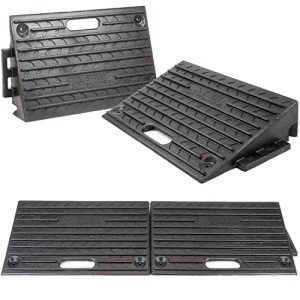
Folding Wheelchair Ramp

Folding Wheelchair Ramp
Add a review FollowOverview
-
Founded Date July 4, 1974
-
Sectors Charity & Voluntary
-
Posted Jobs 0
-
Viewed 33
Company Description
What’s The Current Job Market For Folding Wheelchair Ramp Professionals Like?
The Essential Guide to Folding Wheelchair Ramps: A Comprehensive Overview
In today’s world, ease of access is a top priority for numerous people, services, and organizations. Among the many solutions available, a crucial component to improving mobility for those who utilize wheelchairs is the folding wheelchair ramp. This guide aims to supply a comprehensive understanding of folding wheelchair ramps, their benefits, features, and factors to consider to keep in mind when selecting the right ramp for your requirements.
What is a Folding Wheelchair Ramp?
A folding wheelchair ramp is a mobility tool developed to help people in transitioning between various levels, whether inside or outdoors. Unlike conventional ramps that are permanently set up, folding ramps are portable, lightweight, and easy to bring. They can fold in half or thirds, making them practical for transportation and storage.
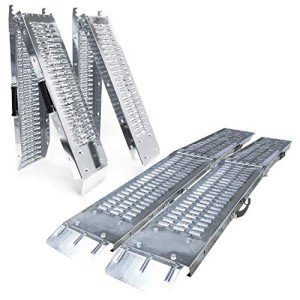
Advantages of Folding Wheelchair Ramps
Folding wheelchair ramps provide numerous advantages, consisting of:
- Portability: Their lightweight style allows users to bring them quickly and keep them when not in use.
- Adaptability: Suitable for various applications– from homes to public spaces, folding ramps accommodate various surfaces and elevations.
- Cost-effectiveness: Lower initial investment compared to permanent ramps and very little upkeep required.
- Quick setup: Folding ramps can be deployed rapidly, making them perfect for individuals who are often on the relocation.
- Boosted security: Designed with functions like non-slip surfaces and handrails, these ramps help promote safe access.
| Feature | Description |
|---|---|
| Weight Capacity | Varies, frequently between 600-800 pounds |
| Materials | Aluminum, plastic, or steel |
| Length Options | Generally varies from 2′ to 10′ |
| Portability | Folds quickly for transport |
| Surface area | Non-slip, grooved, or textured |
Kinds Of Folding Wheelchair Ramps
When thinking about a folding wheelchair ramp, it’s essential to comprehend the different types readily available in the market:
1. Single Fold Ramps
These ramps fold in half, offering a compact solution that appropriates for brief ranges. Normally, they are between 2′ and 5′ in length, making them ideal for doorways or small steps.
2. Multi-Fold Ramps
Designed for higher lengths, multi-fold ramps can fold multiple times (generally in thirds) and are perfect for taller steps. Their extended length can range from 6′ to 10′ or more.
3. Travel suitcase Ramps
These ramps resemble a travel suitcase when folded and often feature a bring handle. They are especially portable and featured a variety of lengths and weight capacities.
4. Wheelchair Van Ramps
For available vehicles, these ramps can be integrated into the car’s design. They are frequently powered and fold immediately, assisting in easy entry and exit.
| Ramp Type | Secret Features | Finest Suited For |
|---|---|---|
| Single Fold | Compact, lightweight | Short steps or entrances |
| Multi-Fold | Longer lengths, more steady surface | Taller steps or curbs |
| Travel suitcase Ramps | Bring deal with, easily portable | Travel and recreational usage |
| Van Ramps | Automated, constructed into car | Accessible vehicles for everyday usage |
Important Considerations When Choosing a Folding Wheelchair Ramp
1. Weight Capacity
Always check the weight capability of the ramp to ensure it can safely support the user’s weight in addition to the wheelchair.
2. Length and Incline
The length of the ramp affects its slope. A longer ramp will have a gentler slope, making it much easier to browse. The Americans with Disabilities Act (ADA) recommends a 1:12 slope for wheelchairs, suggesting for every single inch of height, there ought to be 12 inches of ramp.
3. Product
Choose a ramp material that suits your environment. Aluminum ramps are lightweight and durable, while plastic ramps are frequently more budget friendly but might lack resilience.
4. Surface Grip
A non-slip surface area is important to prevent accidents. Try to find ramps with textured surfaces for additional traction.
5. Storage & & Transport
Consider how and where you will keep the ramp when not in use. Guarantee it is lightweight enough for you to carry easily.
6. Accessibility Features
Some ramps come with additional features like hand rails, adjustable heights, or modular designs that can be personalized based upon specific requirements.
Often Asked Questions (FAQ)
1. Are folding wheelchair ramps easy to establish?
Yes, many folding wheelchair ramps are developed for quick and easy setup, typically needing only a couple of minutes to unfold and position.
2. What is the optimum incline permitted wheelchair ramps?
The recommended optimum incline is 1:12 for manual wheelchairs and 1:16 for powered wheelchairs, although different situations may need specific modifications.
3. Can I utilize a folding wheelchair ramp outdoors?
Yes, lots of folding wheelchair ramps are ideal for outdoor use. Guarantee that the ramp is made from resilient, weather-resistant materials.
4. How do I preserve a folding wheelchair ramp?
Frequently inspect the ramp for any damage, tidy the surface to avoid particles accumulation, and ensure that the hinges and folding systems are functioning efficiently.
5. Where can I buy folding wheelchair ramps?
Folding wheelchair ramps can be bought from medical supply shops, big-box merchants, or online marketplaces. Constantly look for warranty options and evaluations before acquiring.
Folding wheelchair ramps provide unrivaled mobility services for people needing support in accessing different environments. Their mobility, ease of usage, and security functions make them an important tool for promoting independence and accessibility. By thinking about the type, products, and requirements that best meet your requirements, you can choose a ramp that improves mobility and promotes addition in everyday life. Whether for a temporary or long-term option, these ramps are a crucial resource that can substantially improve the quality of life for wheelchair users.