
Industrie-Luftkompressor Online Kaufen

Industrie-Luftkompressor Online Kaufen
Add a review FollowOverview
-
Founded Date December 8, 1999
-
Sectors Digital & Creative
-
Posted Jobs 0
-
Viewed 14
Company Description
What’s Everyone Talking About Compressor Purchase Today
Understanding the Fundamentals of Compressor Purchase
When it pertains to industrial applications, compressors play a pivotal function in boosting performance and efficiency. Whether used in production, HVAC systems, or refrigeration, the choice of the best compressor can significantly affect operational expenses and performance. In this post, we will explore essential factors to consider for acquiring a compressor, typical types offered, key features to look for, and some often asked concerns.
Tabulation
- Intro to Compressors
- Types of Compressors
- Key Considerations for Purchase
- Common Features to Evaluate
- Lists of Recommended Brands
- Frequently Asked Questions (FAQs)
- Conclusion
1. Introduction to Compressors
Compressors are mechanical devices that increase the pressure of a gas by lowering its volume. They are crucial in many applications, varying from powering pneumatic tools to supplying a/c and refrigeration. Selecting the right compressor demands an understanding of the application requirements and the compressor’s capabilities.
2. Types of Compressors
Picking the right type of compressor is important in ensuring effectiveness and suitability for the desired task. Below prevail kinds of compressors:
| Type | Description | Suitable Use Cases |
|---|---|---|
| Reciprocating | Uses pistons driven by a crankshaft to compress air. | Heavy-duty applications, high pressure needs. |
| Rotary Screw | Uses 2 interlocking helical screws to compress air. | Constant operations, moderate pressures. |
| Scroll | Uses 2 spiral aspects to compress refrigerant. | Heating and cooling systems, light commercial applications. |
| Centrifugal | Uses turning impellers to compress gas through dynamic pressure modifications. | Big scale operations like gas transmission. |
Benefits and Disadvantages of Each Type
| Type | Advantages | Disadvantages |
|---|---|---|
| Reciprocating | High pressure abilities, versatile | Noisy, requires regular maintenance |
| Rotary Screw | Continuous operation, lower maintenance | Greater preliminary expense, larger footprint |
| Scroll | Quiet operation, compact style | Restricted to lower power circumstances |
| Centrifugal | Effective for high volume applications | Not matched for small scale operations, pricey |
3. Secret Considerations for Purchase
When buying a compressor, a number of factors must be weighed to ensure a sound investment:
A. Application Requirements
- Pressure and Flow Rates: Assess the necessary pressure and airflow for specific operations.
- Use Duration: Determine whether the compressor will run constantly or intermittently.
B. Power Source
- Electric vs. Diesel: Choose based on accessibility of source of power, cost of electrical power, and required mobility.
C. Size and Capacity
- Space Constraints: Ensure you have sufficient space for installation and maintenance gain access to.
- Mobility: For on-site work, consider a portable compressor design.
D. Efficiency Ratings
- Energy Consumption: Look for energy-efficient designs to minimize long-lasting operational costs.
- Eco-friendly Options: Explore compressors that fulfill environmental regulations.
E. Brand Reputation and Warranty
- Maker Reliability: Research brand name credibility, customer support, and guarantees used.
4. Common Features to Evaluate
Before finalizing a compressor purchase, think about the following functions that can improve performance and ease of use:
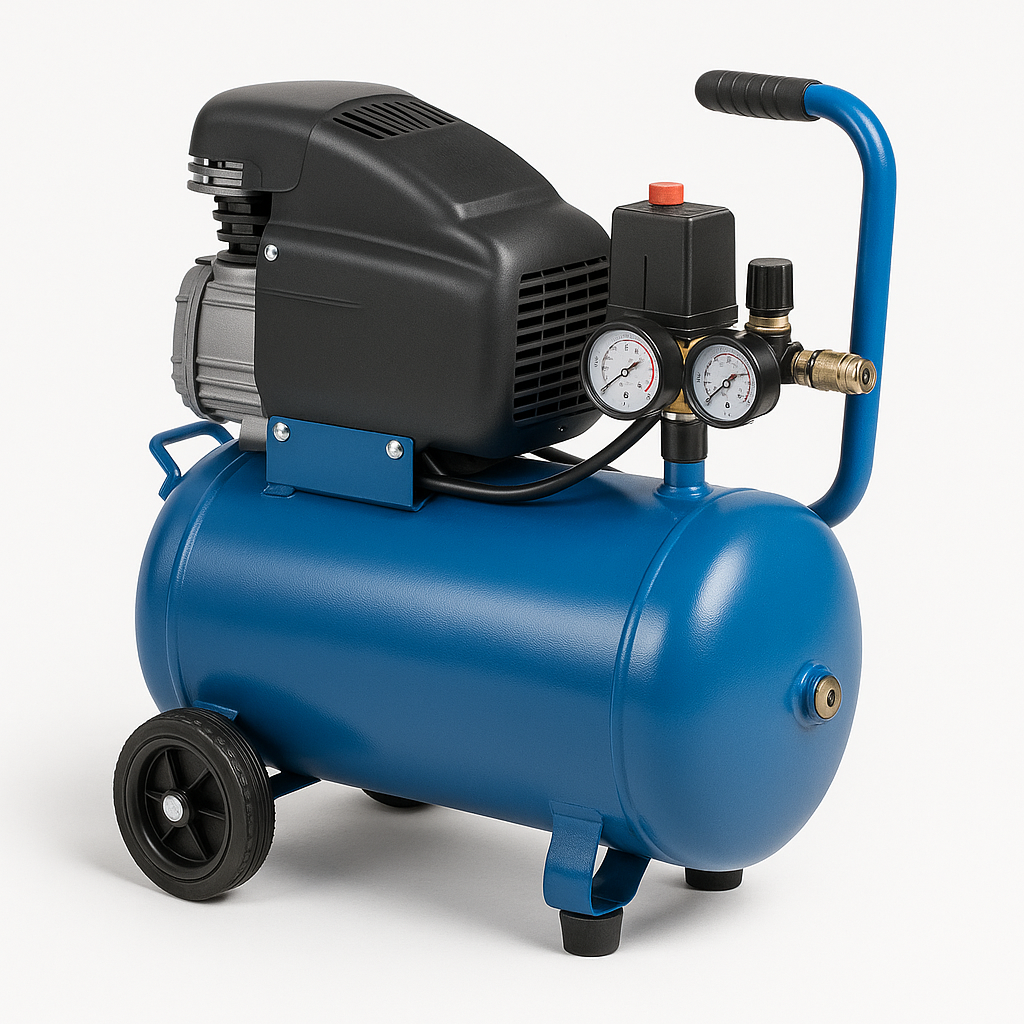
A. Maintenance Indicators
- Integrated features that remind users of routine maintenance can help extend the devices’s lifespan.
B. Noise Levels
- Running sound levels can affect work environment convenience. Search for quieter models if sound is an issue.
C. Control Systems
- Advanced controls, including variable speed drives and digital programs, can optimize performance.
D. Safety Features
- Assess the existence of features such as automatic shut-off valves to guarantee safe operation.
E. Accessibility
- Ensure that filters, oil drains pipes, and components are easily available for hochwertiger luftkompressor kaufen maintenance.
5. Lists of Recommended Brands
When seeking quality compressors, think about these reliable brands understood for their dependability and efficiency:
| Brand | Type of Compressors | Unique Features |
|---|---|---|
| Ingersoll Rand | Rotary Screw, Reciprocating | High effectiveness, robust develop |
| Atlas Copco | Rotary Screw, Scroll | Innovative control systems |
| Sullair | Rotary Screw, Diesel | Competitive prices, rugged equipment |
| Boge | Reciprocating, Scroll | Compact design, low energy usage |
| Quincy | Reciprocating, Rotary Screw | Heavy-duty applications, versatile |
6. Regularly Asked Questions (FAQs)
Q1: What is the ideal compressor size for my application?A1: The size depends upon the particular needs of your operations. Determine the required PSI and CFM based upon the tools or devices you plan to utilize. Q2: Is it worth investing in a high-efficiency compressor?A2: Yes, high-efficiency compressors might have a higher upfront cost but can causeconsiderable cost savings on energy costs in time. Q3: How typically does a compressor need maintenance?A3: Regular maintenance must be carried out every 500-1000 hours of operation, depending upon the maker’s suggestions. Q4: Can I install a compressor myself?A4: If youhave experience with electrical and plumbing work, DIY installation is possible. Nevertheless, professional installation is advised for intricate
units. Q5: What should I do if my compressor is overheating?A5: Checkfor air leakages, make sure appropriate lubrication, and tidy filters. If the problem persists, seek advice from a professional. 7. Conclusion Purchasing a compressor is a considerable investment for
any business or operation. By comprehending the different types, vitalfeatures, and mindful considerations required, one can make an educated decision that guarantees ideal efficiency and effectiveness.