
Roofline Repairs

Roofline Repairs
Add a review FollowOverview
-
Founded Date May 13, 2021
-
Sectors Banking
-
Posted Jobs 0
-
Viewed 3
Company Description
You’ll Never Be Able To Figure Out This Fascia Board Replacement’s Tricks
Fascia Board Replacement: A Comprehensive Guide
When it concerns home maintenance, the fascia board is typically overlooked. In spite of being important for the structural stability and aesthetic appeal of a home, many house owners do not realize the significance of fascia until it’s too late. In this article, we’ll explore what a fascia board is, why it needs replacement, how to do it, and a lot more.
Comprehending the Fascia Board
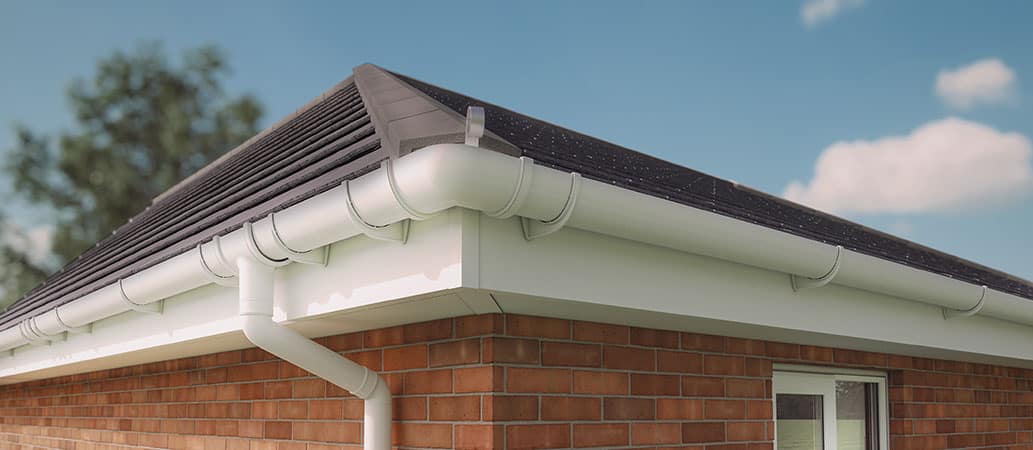
The fascia board is a horizontal board that runs along the edge of the Roofline Replacement. It serves numerous functions, consisting of:
- Support: The fascia supports the lower edge of the roofing system and supplies a completed appearance to the eaves.
- Defense: It safeguards the interior of the home from water damage by working as a barrier against rain and pests.
- Aesthetic appeals: The fascia is typically painted or finished, contributing to the general aesthetic appeal of your house.
Signs Your Fascia Board Needs Replacement
Understanding when to replace your fascia board is vital for maintaining the stability of your home. Here are some tell-tale signs:
| Sign | Description |
|---|---|
| Fractures or Splits | Visible damage suggesting the wood is decaying or deteriorating. |
| Peeling Paint | Often a sign of wetness problems or underlying damage. |
| Water Damage | Water discolorations noticeable on the fascia or walls listed below. |
| Bugs | Pests like termites or carpenter ants may be found in harmed fascia. |
| Drooping | A sagging fascia board might suggest structural problems requiring attention. |
Tools and Materials Needed
Before embarking on a fascia board replacement task, you’ll require to collect the right tools and materials.
Tools
- Hammer
- Circular saw
- Sculpt
- Level
- Nail weapon or screwdriver
- Determining tape
- Safety safety glasses
- Ladder
Products
- New fascia boards (normally made from wood, PVC, or aluminum)
- Wood preservative (if using wood)
- Primer and exterior paint (if needed)
- Galvanized nails or screws
- Caulk (for sealing)
Steps to Replace a Fascia Board
Replacing your fascia board is a straightforward but needed home maintenance task. Follow these actions for a successful replacement:
Step 1: Assess the Damage
Before start, thoroughly evaluate the degree of damage to your fascia. Determine whether it’s localized to one section or if more substantial replacement is required.
Step 2: Remove the Old Fascia Board
- Thoroughly climb up a ladder to reach the fascia and examine it again.
- Use a chisel to pry away any trim or paint sealing the fascia.
- Utilize a hammer or nail gun to remove it, guaranteeing you’re not causing damage to surrounding areas.
Step 3: Prepare the New Fascia Board
- Select a brand-new fascia board that matches the dimensions of the old one. Deal with wood with a preservative to prevent future rot.
- Cut the new board to size using a circular saw.
Step 4: Install the New Fascia Board
- Position the brand-new fascia board in place, guaranteeing it’s level.
- Protect it using galvanized nails or screws to guarantee toughness.
Step 5: Finish
- If utilizing wood, use a primer and paint to match your home’s exterior.
- Seal any spaces with caulk to avoid moisture invasion.
Action 6: Cleanup
- Remove any debris, tools, and Soffit And Fascia Repair safely deal with the old fascia board.
Frequently Asked Questions About Fascia Board Replacement
How typically should I examine my fascia board?
It’s a good practice to examine your fascia board at least when a year or after extreme weather condition to determine any prospective damage.
Can I replace the fascia board myself?
Yes, if you have some fundamental DIY skills and tools, you can replace the fascia board yourself. However, it might be useful to hire a professional if you’re not sure or if the job includes complex roofing system work.
What products are best for fascia boards?
Common alternatives consist of wood, PVC, composite materials, and aluminum. Each has its advantages: Replacement Fascia Boards Wood is aesthetically pleasing but might rot; PVC and aluminum are more long lasting however can be pricier.
How will I know if my fascia board is decaying?
Signs of rot consist of soft or crumbly wood, staining, and an uncommon odor. If the fascia feels spongy when pressed, it likely has rot.
Does changing fascia board need an authorization?
Allowing requirements vary by place. It’s best to contact your regional structure authority to guarantee compliance with local policies.
Fascia board replacement is a needed aspect of home maintenance that secures your roofing system and improves your property’s appearance. By comprehending the indications of damage, collecting the right tools, and following the replacement steps detailed in this guide, property owners can tackle this task confidently. Routinely examining and preserving your fascia board will eventually conserve you cash, time, and stress in the long run, ensuring your home stays a safe and inviting haven for several years to come.