
Top Falschgeld Webseiten

Top Falschgeld Webseiten
Add a review FollowOverview
-
Founded Date March 20, 1929
-
Sectors Charity & Voluntary
-
Posted Jobs 0
-
Viewed 118
Company Description
10 Simple Steps To Start Your Own Counterfeit German Banknotes Business

Counterfeit German Banknotes: An In-Depth Analysis
Intro
In a significantly digital world, the attraction of counterfeit currency remains a pushing concern for federal governments and financial organizations alike. Germany, renowned for its economic stability and the strength of the Euro, is not unsusceptible to the threat of counterfeit banknotes. Counterfeit German banknotes disrupt the economy, challenge law enforcement, and affect public trust in currency. This article provides a useful overview of counterfeit German banknotes– their history, the methods utilized by counterfeiters, the possible consequences for society, and ways to acknowledge legitimate currency.
A Brief History of Currency Counterfeiting in Germany
Counterfeiting has a long and storied history worldwide, and Germany is no exception. The country has seen its share of counterfeiting attempts, especially throughout various crises in history:
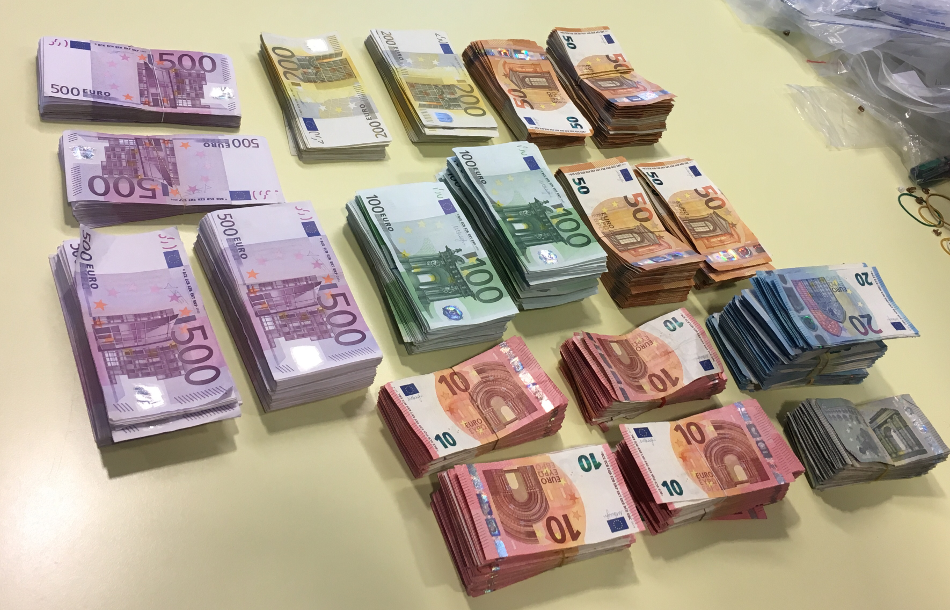
-
Weimar Republic (1919-1933): Following World War I, Germany faced run-away inflation, which resulted in an abundance of counterfeit notes. The quick devaluation of currency made the economy susceptible to counterfeiters.
-
Post-War Era: In the after-effects of World War II, the facility of the Deutsche Mark in 1948 brought a new beginning, however also a revival of counterfeiting. The intro of sophisticated security features helped curb this trend.
-
Euro Adoption: With the intro of the Euro in 2002, Germany needed to adapt to a new currency format. This provided counterfeiters with a brand-new target, resulting in continuous efforts by Deutsche Bundesbank (the German central bank) to enhance security procedures.
Approaches Employed by Counterfeiters
Counterfeiters utilize a variety of strategies to develop fake banknotes that can trick the average individual. Some of the most typical approaches include:
-
Digital Printing: Advances in innovation have made it easier for counterfeiters to print high-quality replicas of banknotes using high-resolution printers and scanners.
-
Copy machines: People typically underestimate the ability of modern photocopying innovation to replicate images with impressive precision. Counterfeiters typically use photo copiers to create counterfeit notes and might modify them with the aid of software application.
-
Old Equipment: Some counterfeiters utilize older methods, such as hand-drawing features or stamps, although this is less typical in the digital age.
-
Professional Forge Operations: Organized criminal activity groups might run advanced forgery operations using experienced service technicians who develop advanced replicas, including the use of UV inks and ingrained security elements.
Understanding these approaches is crucial for the public and services to defend against counterfeit currency.
Consequences of Counterfeit Currency
Counterfeiting has widespread consequences that affect numerous sectors:
-
Economic Impact: The presence of counterfeit banknotes can result in inflationary pressures, as counterfeit currency dilutes the worth of genuine currency in flow.
-
Loss of Revenue: Governments experience reduced self-confidence in their currency systems, causing potential income loss from taxes and legitimate monetary systems.
-
Legal Repercussions: Individuals caught circulating counterfeit currency can face severe legal penalties, consisting of fines and jail time.
-
Public Confidence: The trust the general public put on the currency is vital for its acceptance. Prevalent counterfeiting can erode this trust and can result in changes in customer behavior, such as a relocation towards cashless deals.
How to Identify Genuine German Banknotes
Acknowledging the credibility of banknotes is essential for customers, merchants, and businesses. Here is a concise guide on how to determine real German banknotes:
Ultra Violet Light
- Search For Fluorescent Fibers: Genuine banknotes contain embedded fluorescent fibers that glow under UV light.
Watermark
- Examine for Watermarks: All denominations of real German notes have a watermark that shows up when held versus the light.
Security Thread
- Examine the Security Thread: The security thread is embedded into the note and can be viewed as a dark stripe when seen versus the light.
Color-Shifting Ink
- Observe the Color-Shifting Ink: Certain locations of the banknote will change color when slanted.
Microprinting
- Check for Microprinted Text: Genuine notes feature small text that is not visible to the naked eye but can be seen under a magnifier.
Feel the Texture
- Touch and Feel: Genuine German notes have a distinct texture due to the unique paper utilized in their production.
Frequently asked questions
What are the most common denominations of counterfeit German banknotes?
Counterfeiters typically target greater denominations, such as EUR50, EUR100, and EUR200, due to the bigger profits they can yield. However, smaller denominations are not immune.
How can I report a counterfeit banknote?
If you think you have received a counterfeit banknote, report it immediately to your regional police department and send the note to a bank for professionelle fälschungen analysis.
Exist any technological tools for discovering counterfeit banknotes?
Yes, numerous gadgets are available for retailers and banks, consisting of UV lights and counterfeit detection pens that react to the specific functions of real currency.
Can counterfeit banknotes be effectively passed off in daily transactions?
While counterfeiters try to circulate fake banknotes, the improved awareness and security features of genuine currency make it significantly tough to pass off counterfeit notes without detection.
In conclusion, counterfeit German banknotes are a significant concern that presents obstacles for authorities, services, and the public. A historic point of view reveals the advancement of counterfeiting methods and their repercussions on the economy. However, by comprehending the methods used to recognize genuine banknotes and remaining watchful, people can contribute to the battle against counterfeiting. The value of keeping trust in currency can not be overemphasized, as it underpins the health and stability of the economy.