
Vacuum Mop UK

Vacuum Mop UK
Add a review FollowOverview
-
Founded Date May 6, 1916
-
Sectors Digital & Creative
-
Posted Jobs 0
-
Viewed 4
Company Description
Robot Cleaner Vacuum And Mop Techniques To Simplify Your Everyday Lifethe Only Robot Cleaner Vacuum And Mop Trick Every Individual Should Learn
The Rise of the Autonomous Home Helper: Exploring the World of Robot Vacuum and Mop Cleaners
In today’s fast-paced world, time is a valuable product. The ruthless needs of work, family, and individual life typically leave household tasks relegated to the bottom of the concern list. Enter the robot vacuum and mop cleaner, a marvel of modern-day innovation designed to reduce the problem of floor cleaning, providing convenience and recovering valuable minutes. These intelligent gadgets are no longer a futuristic fantasy but a practical truth, progressively ending up being necessary household appliances for hectic individuals and households alike.
This post looks into the world of robot vacuum and mop cleaners, exploring their performance, benefits, the different types available, and offering guidance on choosing the best one to suit specific needs. We will likewise deal with common inquiries and use practical suggestions to guarantee these robotic helpers stay efficient and effective for years to come.
How Robot Vacuum and Mop Cleaners Work: A Symphony of Sensors and Smart Technology
Robot vacuum and mop cleaners are sophisticated gadgets that make use of a mix of sensing units, algorithms, and mechanical parts to navigate and tidy floorings autonomously. While the specific innovation may vary between models and brand names, the basic concepts remain constant.
At their core, these robots depend on a suite of sensing units to perceive their environment. These sensors can include:
- Bump sensing units: Detect crashes with barriers, prompting the robot to change direction.
- Cliff sensors: Prevent the robot from falling down stairs or ledges by spotting drops in elevation.
- Wall sensing units: Allow the robot to follow walls and edges for comprehensive cleaning.
- Optical and infrared sensing units: Used for navigation, mapping, and things detection, helping the robot create effective cleaning courses and avoid challenges.
- Gyroscope and accelerometer: Help the robot track its motion and orientation, contributing to precise navigation and area protection.
These sensing units feed information to an onboard computer that processes details and directs the robot’s movement. Lots of modern-day robot vacuum and mops use innovative navigation technologies such as:
- Random Bounce Navigation: Older and easier designs frequently employ this technique, moving randomly up until they experience a challenge, then changing direction. While less effective, they can still cover a location gradually.
- Organized Navigation: More sophisticated robots utilize systematic cleaning patterns, such as zig-zag or spiral movements, to guarantee more complete and effective protection.
- Smart Mapping: High-end designs include sophisticated mapping capabilities, typically utilizing LiDAR (Light Detection and Ranging) or vSLAM (visual Simultaneous Localization and Mapping). These technologies allow robots to create detailed maps of the home, enabling them to tidy particular spaces, set virtual borders, and discover the design for optimized cleaning paths.
The cleaning procedure itself involves 2 main functions: vacuuming and mopping.
- Vacuuming: Robot vacuums use brushes to loosen up debris from the floor and a powerful suction motor to draw dirt, dust, pet hair, and other particles into a dustbin. Different brush types and suction levels accommodate various floor types, from hard floors to carpets.
- Mopping: Robot mops normally include a water tank and a mopping pad. The robot gives water onto the pad, which then wipes the floor. Some models provide vibrating or oscillating mopping pads for more effective stain elimination. Various mopping modes and water circulation settings are often available to suit numerous floor types and cleaning needs.
The Plethora of Benefits: Why Choose a Robot Vacuum and Mop?
The growing popularity of robot vacuum and mop cleaners is rooted in the many benefits they use:
- Time Savings: Perhaps the most considerable benefit is the liberation from the time-consuming chore of floor cleaning. Robotics tidy autonomously, releasing up important time for other jobs or recreation.
- Convenience: Robot cleaners can be arranged to tidy instantly, even when you are not home. Many are likewise controllable via smartphone apps, enabling for remote operation and monitoring.
- Consistent Cleanliness: Regularly arranged cleaning guarantees a consistently cleaner home. Robot vacuums can run daily, avoiding the accumulation of dust and particles, causing a healthier living environment.
- Reduced Allergens: Effective purification systems in many robot vacuums trap dust termites, pet dander, and pollen, contributing to enhanced air quality and possibly reducing allergy symptoms.
- Effortless Cleaning Under Furniture: Their low profile allows robot cleaners to browse under beds, couches, and other furnishings, reaching locations typically missed throughout manual vacuuming and mopping.
- Suitable for Pet Owners: Robot vacuums are particularly effective at choosing up pet hair, a continuous challenge for pet owners. Routine robotic cleaning can considerably lower pet hair accumulation.
- Variety of Features and Price Points: The market uses a vast array of robot vacuum and mop cleaners, accommodating different budgets and needs, from basic designs to feature-rich, smart gadgets.
Navigating the Options: Types of Robot Vacuum and Mops
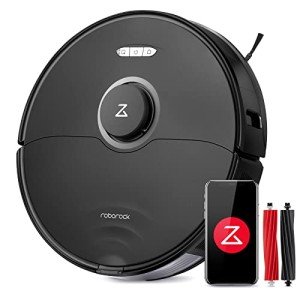
The robot vacuum and mop market is varied, offering numerous designs with various performances. Here’s a basic classification to assist comprehend the options:
- Robot Vacuums Only: These are devoted vacuuming robots that focus solely on dry cleaning. They are normally more inexpensive and typically offer robust vacuuming performance.
- 2-in-1 Robot Vacuum and Mops: These versatile devices combine both vacuuming and mopping performances. They provide benefit and space-saving benefits, though mopping efficiency might be less intensive than dedicated robot mops in some designs.
- Dedicated Robot Mops: These robotics are specifically developed for mopping difficult floors. They frequently feature more sophisticated mopping systems, such as vibrating pads and accurate water dispensing control, for efficient wet cleaning.
- Self-Emptying Robot Vacuums: These premium designs include a charging base that likewise operates as a dustbin. When the robot’s dustbin is complete, it automatically empties into the larger base dustbin, considerably decreasing manual clearing frequency.
- Smart Robot Vacuums and Mops: These advanced robotics are geared up with smart features like Wi-Fi connectivity, smartphone app control, voice assistant combination (e.g., Alexa, Google Assistant), room mapping, and virtual no-go zones.
Picking the Right Robotic Cleaning Companion: Factors to Consider
Picking the ideal robot vacuum and mop cleaner needs cautious factor to consider of individual needs and home attributes. Here are key elements to examine:
- Home Size and Layout: Larger homes or those with intricate layouts may take advantage of robots with smart mapping and long battery life for efficient coverage. Smaller sized apartments can be sufficiently served by simpler designs.
- Floor Types: Consider the main floor types in your home. For homes with primarily difficult floors, a 2-in-1 or dedicated robot mop is ideal. For carpeted homes, focus on designs with strong suction and effective carpet brushes. For homes with a mix of floor types, try to find robots that can manage transitions and provide adjustable settings for various surface areas.
- Pet Ownership: If you have family pets, focus on robots with effective suction, tangle-free brushes, and larger dustbins to effectively handle pet hair and dander.
- Budget: Robot vacuum and mop prices differ significantly. Define your budget and check out models within your cost variety. Keep in mind that higher-priced designs often use advanced functions and much better efficiency however standard designs can still be highly reliable.
- Smart Features: Determine which smart features are necessary for you. Wi-Fi connection, app control, space mapping, and voice assistant integration can substantially boost convenience and control.
- Battery Life and Coverage Area: Ensure the robot’s battery life and coverage area are adequate for your home size. Think about designs with automatic charging and resume cleaning functions for bigger areas.
- Maintenance Requirements: Consider the ease of upkeep. Look for designs with easily accessible dustbins, washable filters, and changeable brushes. Self-emptying models minimize the frequency of dustbin emptying.
Maintaining Your Robot Vacuum and Mop: Ensuring Longevity and Performance
To ensure your robot vacuum and mop operates effectively and lasts for several years, routine maintenance is essential. Key maintenance jobs consist of:
- Emptying the Dustbin: Empty the dustbin regularly, preferably after each cleaning cycle, to preserve optimum suction performance.
- Cleaning or Replacing Filters: Clean or change filters according to the manufacturer’s recommendations. Clogged filters reduce suction and cleaning efficiency.
- Cleaning Brushes: Remove hair and particles tangled in the brushes frequently. Some models include tools specifically developed for brush cleaning.
- Cleaning Mop Pads: Wash or replace mop pads after each mopping cycle to maintain health and cleaning effectiveness.
- Wiping Sensors: Periodically wipe the robot’s sensors with a soft, dry fabric to ensure precise navigation and challenge detection.
- Looking for Obstructions: Regularly examine the robot’s path for potential obstructions like cables or little things that could get twisted.
By following these simple upkeep actions, you can ensure your robot vacuum and mop continues to provide reputable and efficient cleaning for many years to come.
Conclusion: Embracing the Future of Floor Cleaning
Robot vacuum and mop cleaners have actually revolutionized home cleaning, providing unrivaled benefit, time cost savings, and constant cleanliness. From basic entry-level models to advanced smart gadgets, there is a robot cleaner to fit every requirement and budget plan. By comprehending their functionality, advantages, and the factors to think about when selecting one, you can with confidence welcome this ingenious technology and reclaim important time while enjoying a consistently clean and healthy home environment. The age of autonomous home assistants is here, guaranteeing a future where floor cleaning is no longer a chore however a flawlessly automated process.
Often Asked Questions (FAQs) about Robot Vacuum and Mop Cleaners
Q1: Are robot vacuum and mops as effective as traditional vacuum and mops?
- Robot vacuums and mops are normally effective for daily cleaning and upkeep. They may not be as effective as high-end traditional vacuum cleaners for deep cleaning extremely thick carpets or eliminating greatly ingrained discolorations. Nevertheless, for regular maintenance and maintaining a clean home, they are extremely effective and hassle-free.
Q2: Can robot vacuum and mops clean up all kinds of floors?
- Many robot vacuums and mops are designed to clean tough floors like hardwood, tile, laminate, and linoleum. Lots of designs can likewise manage low-pile carpets and carpets. Nevertheless, very luxurious or high-pile carpets might pose obstacles for some robots. Constantly examine the manufacturer’s specifications concerning floor types.
Q3: Do robot vacuum and mops require Wi-Fi to operate?
- Basic robot vacuum and mops without smart features can run without Wi-Fi. Nevertheless, models with Wi-Fi connectivity deal enhanced features like mobile phone app control, scheduling, space mapping, and voice assistant integration. Wi-Fi is required to make use of these smart functionalities.
Q4: How long do robot vacuum and mops typically last?
- The life expectancy of a robot vacuum and mop depends upon usage, upkeep, and the quality of the device. With correct maintenance, an excellent quality robot vacuum and mop can last for a number of years, usually ranging from 3 to 5 years and even longer.
Q5: Are robot vacuum and mops noisy?
- Robot vacuums and mops generally produce less noise than conventional vacuum. Noise levels vary between models, however many are created to operate silently enough not to be disruptive during typical home activities.
Q6: Can robot vacuum and mops tidy pet hair effectively?
- Yes, numerous robot vacuums are specifically designed for pet hair elimination. Look for models with functions like strong suction, tangle-free brushes, and larger dustbins, which are particularly effective at picking up pet hair and dander.
Q7: What takes place if a robot vacuum and mop gets stuck?
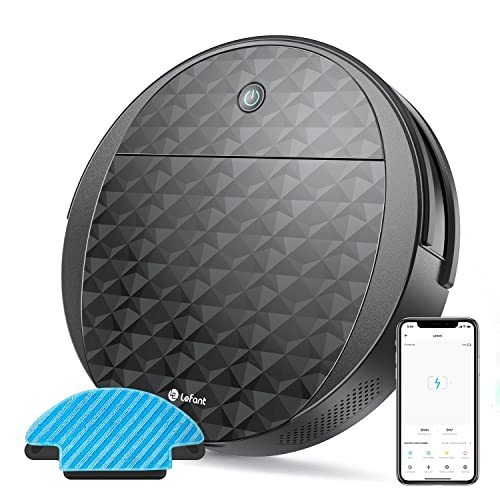
- Modern robot vacuum and mops are equipped with sensors and obstacle avoidance innovation to minimize getting stuck. However, they may occasionally get stuck on loose cables, small items, or in tight corners. Lots of models will instantly stop and send out a notice if they get stuck.
Q8: Do I need to prepare my house before utilizing a robot vacuum and mop?
- It’s advised to declutter floorings by eliminating small things, cable televisions, and loose products that might block the robot or get tangled in the brushes. Hiding chair legs and raising curtains can also improve cleaning efficiency.
Q9: Can robot vacuum and mops climb up over thresholds?
- Many robot vacuum and mops can climb over low limits, typically around 0.5 to 0.75 inches. However, greater thresholds may avoid them from moving between spaces. Inspect the manufacturer’s requirements for threshold climbing capability.
Q10: Are robot vacuum and mops worth the financial investment?
- For hectic individuals, families, and pet owners, robot vacuum and mops can be a beneficial financial investment. They use substantial time savings, convenience, and consistent cleaning, adding to a cleaner and more comfy home environment. The long-term benefits frequently surpass the preliminary expense for many users.